

When buying a used car, it is easy to focus on the fresh coat of wax, spotless interior and the excitement of the journey that lies ahead. However, to guarantee that the journey is a smooth one, you will need to look past the shiny exterior.
To make a smart investment, you need to go beyond basic advice like checking for scratches. You must be willing to look for subtle, forensic clues that reveal how a car has been treated over its lifespan. Sometimes, the condition promised to you does not always match your experience of the car. Before signing any paperwork, use this proactive checklist to ensure your new ride is as mechanically sound as it is beautiful.
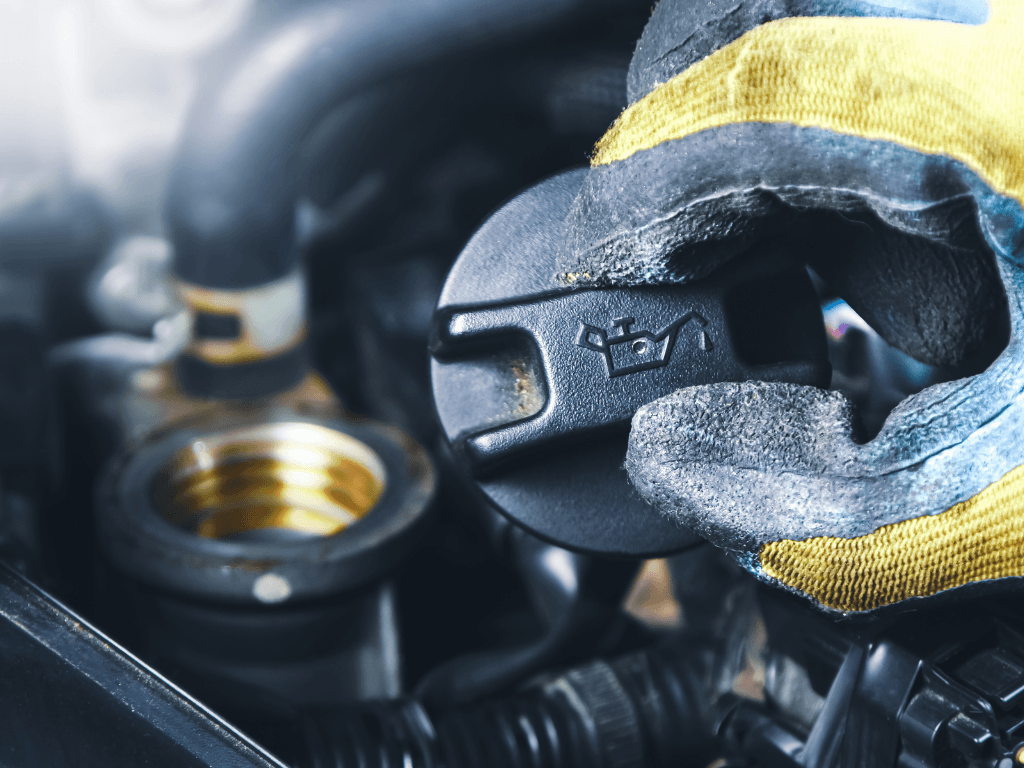
1. The oil cap test: Spotting possible engine issues
Oil is like your car’s butter; it creates a slippery layer between moving metal parts to reduce friction, prevent rapid wear and keep your engine from breaking down. While a shiny engine cover might look impressive, the real story is underneath.
Before buying or test-driving a used car, ensure the engine is completely cold. Twist off the engine oil filler cap and inspect the underside of it. If you see a thick, light-brown or milky residue that resembles mayonnaise, the best option is not to go forward with the deal. This sludgy buildup is a classic sign that engine coolant is mixing with the motor oil. Proactively checking this can save you from inheriting a blown cylinder head gasket, a cracked engine block, or an internally failed cooling system.

2. Mismatched tyres: Reading maintenance habits
Tyres are the quickest and most transparent indicator of a previous owner’s maintenance system. Do not be afraid to take a walk around the car and inspect all four wheels closely. Are the tyres a mix of three different brands? Is one tyre completely bald while the others look brand new?
When buying a used car, a cohesive set of quality tyres shows that the owner invested in proper upkeep. Mismatched or unevenly worn rubber usually points to a quick-fix approach to maintenance, which might mean other vital servicing like brake pads and oil changes was also done on a tight budget.
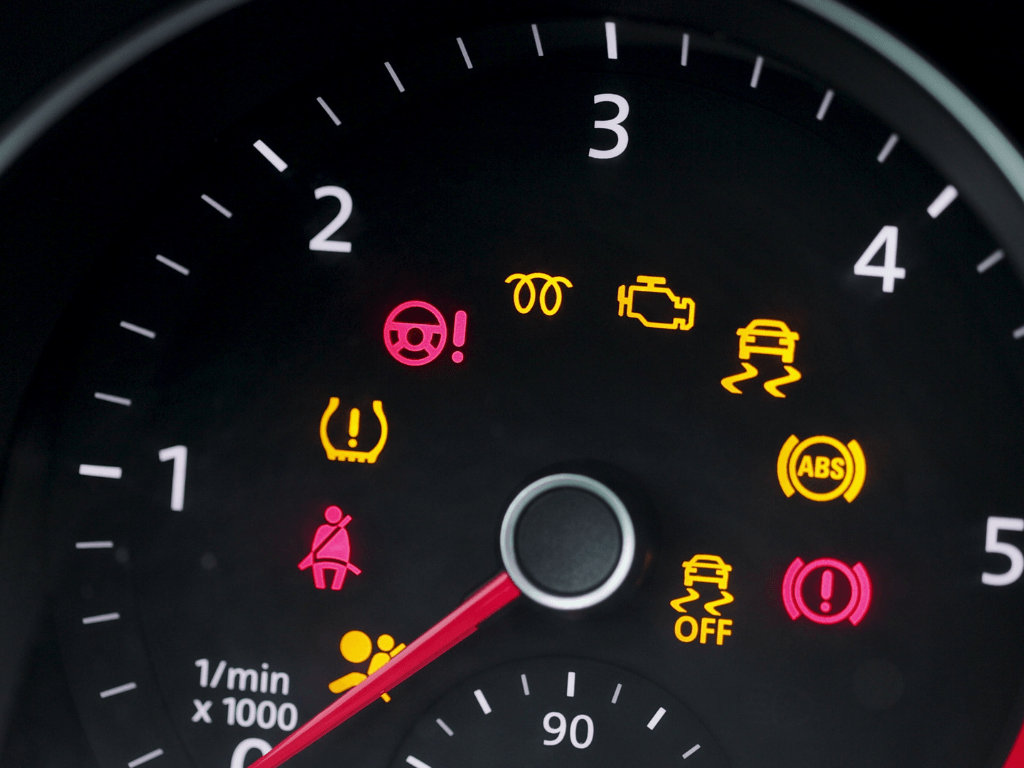
3. The dashboard audit: Verifying ignition warning lights
Modern cars are essentially computers on wheels, and their warning systems are designed to protect you. When you get into the driver’s seat, turn the ignition key to the “ON” position without starting the engine.
Watch the dashboard closely. Every single warning light, including the check engine, airbag (SRS), ABS, and oil pressure indicators, must light up for a few seconds as a system test. If a specific light does not illuminate, it could be disconnected to hide a permanent or dangerous system fault. Ensuring all lights cycle correctly guarantees the car’s diagnostic systems are transparent and fully functional.
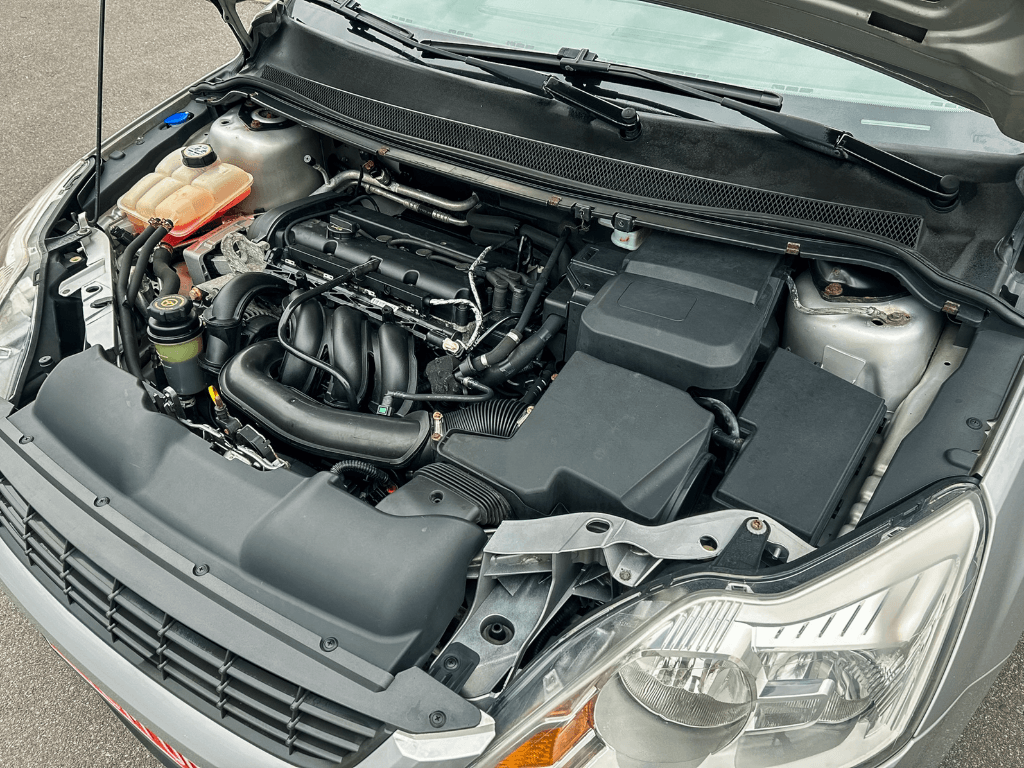
4. The spotless engine bay
A clean engine bay looks reassuring, but it can sometimes be a strategic distraction. Particularly when buying a used car, it is easy and common to steam-clean the engine bay just 20 minutes before a buyer arrives. This washes away active oil and fluid leaks or crusty coolant stains.
To be completely sure, take the car for a 15-minute test drive to get the fluids up to operating pressure and temperature. Afterwards, park the car on a clean patch of tarmac and look underneath the car (towards the front) with a flashlight. If the tarmac stays dry, you can proceed with confidence knowing that the spotless engine bay is genuinely leak-free.
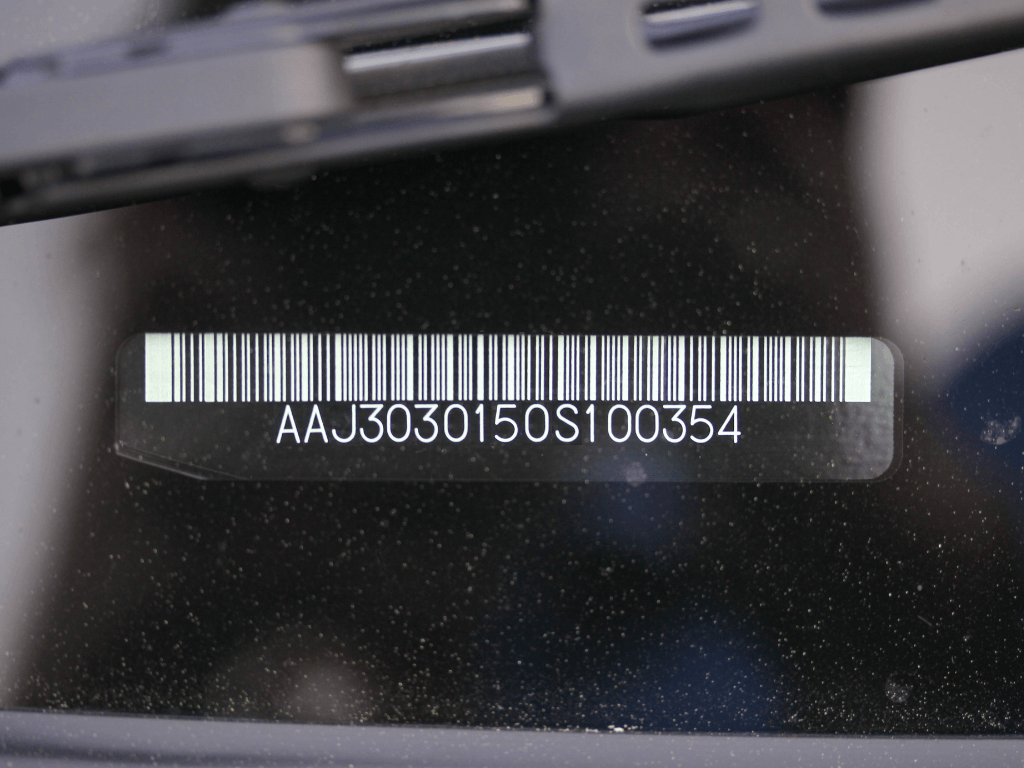
5. VIN Verification: Ensuring paperwork matches
This is an integral part of buying any car, especially a used one. The Vehicle Identification Number (VIN) is a 17-character code unique to every car, acting like its fingerprint. It tells you the manufacturer that built the car, the make, model, engine and body type, the country and year it was made. You can usually find it on the windscreen, doorjamb or under the bonnet.
This is how you ensure the car’s identity is legitimate and risk-free. Take a moment to locate the VIN. Then, compare it across these crucial places: the licence disc displayed on the windscreen, the registration papers and the metal chassis plate permanently stamped onto the car. If even a single digit does not match consistently across these places, you could be looking at a cloned, stolen or written-off car. Verifying the VIN is how you know about the car’s legal standing.
Drive away with confidence
By taking a proactive, investigative approach to buying a used car, you can confidently find a reliable car that will serve you well for years to come. Because it will spend a lot of time on the road, the final step is protecting your new asset.
From R125/month, the Hoot Wear and Tear Plan covers the replacement of components that naturally wear over time, including brake pads, brake discs, wiper blades, batteries, and other electrical systems. It also includes associated labour charges where applicable, designed to give you complete peace of mind. Happy driving!
Stay connected with us on Facebook, Instagram, and LinkedIn for the latest updates and expert car care tips.


